The short answer
Florida measures tint by VLT, the percentage of visible light that gets through the glass. A lower number is darker. The limits depend on which window it is and whether your vehicle is a car or a multipurpose vehicle such as an SUV, truck or van.
| Window | Cars & coupes | SUVs, trucks & vans |
|---|---|---|
| Windshield | Non-reflective strip above the AS-1 line only | Non-reflective strip above the AS-1 line only |
| Front side windows | 28% or lighter | 28% or lighter |
| Rear side windows | 15% or lighter | 6% or lighter |
| Back window | 15% or lighter | 6% or lighter |
| Reflectivity | Front ≤ 25%, rear ≤ 35% | Front ≤ 25%, rear ≤ 35% |
Windshield
The windshield can only take non-reflective film above the AS-1 line, a small mark printed near the top edge of most windshields. That's what a windshield strip is: a band of film that cuts glare from a low sun without covering your view of the road.
Front side windows
The driver and front passenger windows must let in more than 28% of light on every vehicle type. This is the window police officers can see into at a traffic stop, so it's the limit that matters most.
Rear side windows and back glass
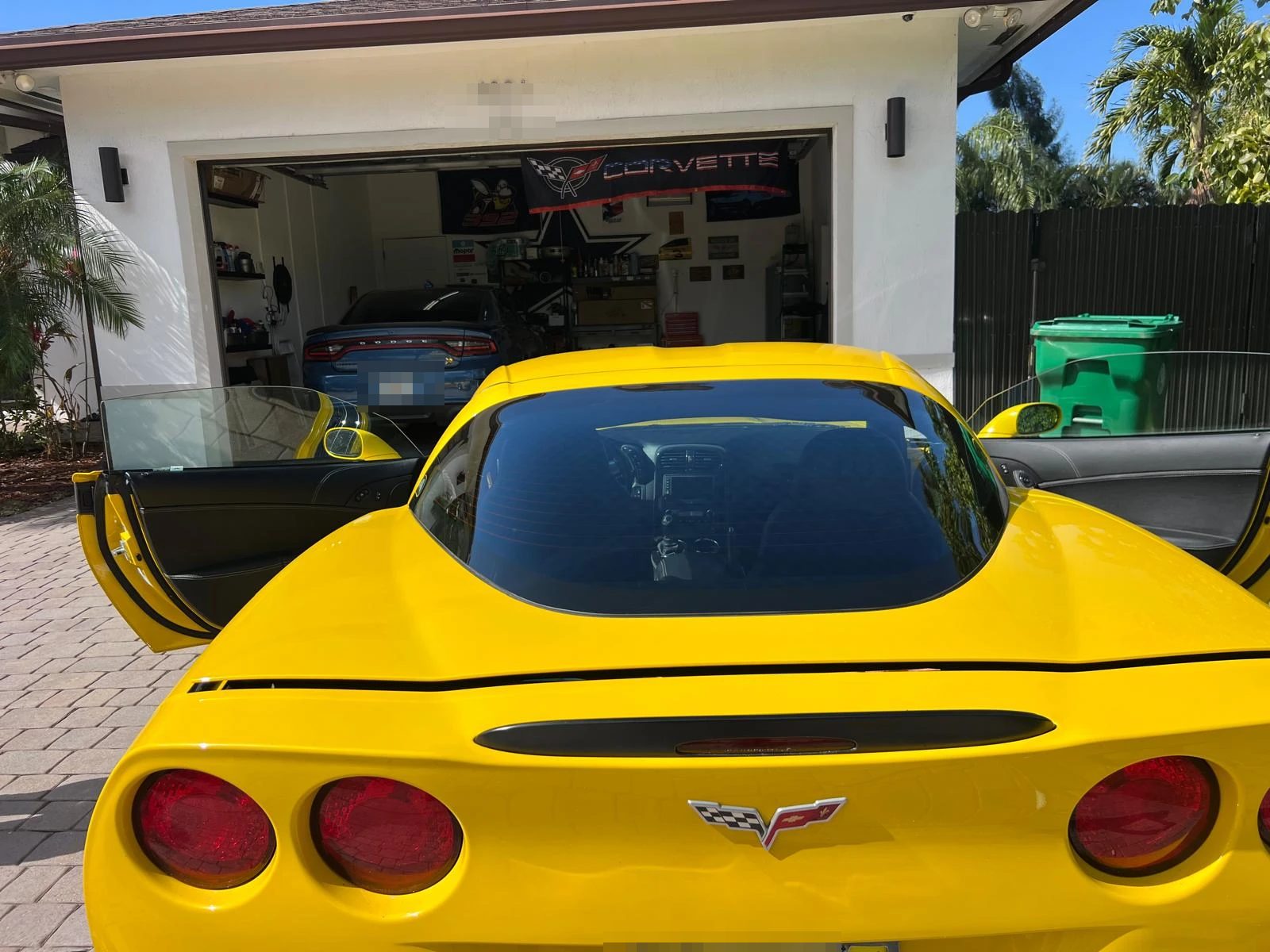
Here the vehicle type matters. Cars and coupes can go down to 15%. SUVs, trucks and vans can go as dark as 6%. That's why two vehicles with identical-looking rear tint can be legal and illegal side by side.
Reflective tint
Florida also limits how mirror-like the film can be: no more than 25% reflective on the front side windows and no more than 35% on the rear side windows. Most quality automotive films are well under these limits; very shiny, mirrored films are the ones to watch.
Factory glass counts too
The legal number is for the glass and film together. Many SUVs and trucks leave the factory with darker privacy glass in the back. Adding film on top makes it darker again, so we take the factory shade into account when we recommend a film.
Medical exemptions
Florida offers a medical exemption for people with conditions that require extra protection from sunlight. It's issued by the Florida Department of Highway Safety and Motor Vehicles with a statement from your doctor, and the exemption paperwork stays in the vehicle. If you have one, show us before the install.
What happens if your tint is too dark?
Illegal tint is a noncriminal traffic infraction in Florida, which means a ticket and a fine, and you may be asked to remove or replace the film. It can also come up when you sell the vehicle. Getting it right the first time is cheaper.
How we keep you legal
Tell us the year, make and model when you ask for a quote. We'll recommend the darkest shade that stays within Florida law for your vehicle type, and factor in any factory tint on the rear glass.
This guide summarizes Florida Statutes sections 316.2951 to 316.2957 as of October 2026. Laws can change, so check the current statute if you need the exact wording.
Want a straight answer for your vehicle or home?
Learn more about our car window tinting, or send us the details and we'll recommend a film and give you a price.
Get a Free Quote